

Obsidian Daily Notes: Setup, Settings, Templates & Workflow
Set up Obsidian Daily Notes with the core plugin, date formats, folders, templates, and a practical workflow for capture, tasks, meetings, and review.
Obsidian Daily Notes is a core plugin that opens today’s date-named note or creates it when it does not exist. Enable it under Settings → Core plugins, then choose a date format, a new-file location, and an optional template file. Start with a small capture-and-review workflow before adding community plugins.
This guide covers the current Obsidian Daily notes settings and template flow, then shows how to keep daily capture connected to projects, meetings, and tasks without turning one note into your entire productivity system.
Choose the right job for a daily note
Daily notes work best as a time-based inbox and execution surface. Route durable information to a more stable note during review:
| If you need to… | Put it in… | Why |
|---|---|---|
| Capture a thought, task, decision, or meeting fragment now | Today’s daily note | Lowest-friction place to write first |
| Track milestones, context, and next actions for ongoing work | A project note | Keeps project history together across days |
| Preserve attendee context, decisions, and follow-ups | A meeting note linked from today | Makes people and project history easier to revisit |
| See overdue, due, and ongoing work in one place | A task or daily-planning view | Surfaces action without duplicating every task |
| Turn the last week into patterns and next steps | A weekly review note | Converts a chronological log into decisions |
If you want copy-ready templates, use the Obsidian template examples. For a task-centered system, continue to GTD in Obsidian after the core setup below.
What are Obsidian Daily Notes?
Daily Notes are date-based Markdown files that Obsidian opens or creates for a specific day. They can hold tasks, journal entries, meeting notes, and quick thoughts, but they do not need to replace project or topic notes.
-
By default, the core “Daily notes” plugin uses a date-based file name such as
2026-03-08.md. -
Daily notes can act as a capture inbox and daily dashboard, not a replacement for long-term project notes or topic-specific documentation.
-
Treat today’s note as a first landing point; process useful items into permanent locations during a review.
-
The core plugin is enough to start. Templater, Dataview, Tasks, QuickAdd, and Periodic Notes are optional extensions.
Enabling and Configuring Obsidian Daily Notes
Getting started takes three settings. Keep the first version boring enough that you will use it every day:
| Setting | Good starting value | What it controls |
|---|---|---|
| Date format | YYYY-MM-DD | The filename and, when included, folder pattern |
| New file location | An existing Daily or Journal folder | Where new daily notes are created |
| Template file location | One specific Markdown template note | The structure inserted into each new daily note |
To enable the core “Daily notes” plugin, open Settings → Core plugins → toggle “Daily notes” on. Once enabled, you can access today’s daily note from the ribbon icon, command palette, or a custom hotkey.
Set New file location to an existing folder such as Daily or Journal. Keep the folder separate from permanent project notes so time-based capture does not bury durable context.
For date format, the recommended approach uses ISO-style formatting for reliable sorting:
YYYY-MM-DD
For automatic year/month subfolder creation, put the folder pattern in Date format:
YYYY/MMMM/YYYY-MMM-DD
This creates paths such as 2026/March/2026-Mar-08. Consistent formatting matters because links and queries rely on predictable paths. Pick a format early, especially if other notes link to daily notes by filename.
Finally, set Template file location to one Markdown note, not the templates folder. Obsidian’s built-in template variables such as {{date:YYYY-MM-DD}} work without Templater; use Templater only when you need dynamic logic or date navigation. The official Daily notes help page documents the current option names and setup order.

Designing a Daily Note Template
A daily note template is the repeatable structure that appears every time you create a new daily note. Rather than starting from a blank page each morning, your template provides ready-made sections for capture and reflection.
A simple but effective template structure includes headings like:
# {{date}}

## Today's Focus

## Tasks

## Log / Journal

## Review
This template can be a plain Markdown file using Obsidian’s built-in template support, or enhanced using the Templater plugin for dynamic content. Templater allows inserting the current date, weekday, and navigation links automatically at file creation.
Place your template file in a /Templates or /System/Templates folder and select it in Settings → Daily notes → Template file location. This keeps your system templates organized and separate from your working notes.
Each section serves a specific purpose:
-
Today’s Focus limits you to 1-3 priorities so you don’t spread attention too thin
-
Tasks holds checkboxes for actionable items
-
Log / Journal captures meetings, calls, and quick note entries chronologically
-
Review prompts evening reflection on what worked and what to improve
Metadata and Frontmatter
YAML frontmatter at the top of daily notes (between --- lines) stores structured data that plugins can query later.
---
date: 2026-03-08
weekday: Monday
mood: neutral
energy: high
tags: [daily, journal]
---
Using consistent frontmatter fields enables powerful querying with plugins like Dataview. For example, you could display tasks from all days where your mood was “tired” or track patterns in your energy levels across weeks.
Limit yourself to 5-10 frontmatter fields to avoid setup overhead. The goal is sustainable metadata, not a complex form you’ll abandon after a week. Common useful fields include date, weekday, mood, energy, and a tags array for categorization.
Navigation Links Between Days
Many users include “Yesterday” and “Tomorrow” links at the top of each daily note for quick chronological navigation without hunting through the sidebar.
When using Templater, the pattern looks like:
<< [[<% tp.date.now("YYYY-MM-DD", -1, "day") %>|Yesterday]] | [[<% tp.date.now("YYYY-MM-DD", 1, "day") %>|Tomorrow]] >>
Without Templater, you can manually link notes using standard wiki-style links like [[2026-03-07]] and [[2026-03-09]], but automation prevents broken chains when you forget to add them.
The benefit becomes clear when reviewing previous days or planning for future days—you can navigate an entire week of notes without touching the file explorer.
Core Sections to Include Each Day
The following sections work well for most workflows and keep your daily template low friction:
-
Today’s Focus: 1-3 must-accomplish outcomes that define a successful day
-
Time-blocks / Schedule: Optional hourly breakdown using a simple list or table format
-
Tasks: Checkbox items using - [ ] syntax for new tasks and daily tasks
-
Log / Notes: Chronological bullets prefixed with timestamps, e.g., - 14:30 Call with client
-
End-of-day Review: 2-3 prompts like “What went well?” and “What needs attention tomorrow?”
Example heading structure in Markdown:
## Today's Focus
-

## Tasks
- [ ]

## Log
-
Avoid adding too many required sections when starting out. If you skip a section for seven consecutive days, remove it from your template. The new daily note habit stays sustainable only if the template feels lightweight.
Plugins That Enhance Daily Notes
Several plugins extend daily notes functionality beyond what the core plugin provides. Here’s a quick overview of the most useful ones for daily note workflows:
-
Templater (community): Inserts dynamic values like today’s date, week number, and cursor placement when a new file creation occurs
-
Dataview (community): Queries your vault to display tasks, list notes created today, or aggregate metadata across time
-
Tasks (community): Adds due dates, recurrence, and completion tracking to standard Markdown checkboxes
-
QuickAdd (community): Creates macros that append timestamped entries to today’s note with a single command
-
Buttons (community): Embeds clickable buttons that work in reading mode, useful for mobile capture
-
Calendar (core/community): Renders a monthly calendar widget where clicking any specific day opens or creates that day’s note
-
Periodic Notes (community): Extends the daily pattern to weekly notes, monthly notes, and yearly notes
The core Daily notes plugin is enough to start. Community plugins must be installed via Settings → Community plugins, where you’ll first need to turn off Restricted Mode.
Using Templater for Dynamic Daily Notes
Templater allows inserting dynamic values when a daily note is created, eliminating manual date entry and ensuring consistency across all your notes.
Common Templater examples for daily notes:
<% tp.date.now("YYYY-MM-DD") %>
Outputs the current date in yyyy mm dd format for file titles.
<% tp.date.now("dddd, MMMM Do YYYY") %>
Outputs a readable heading like “Sunday, March 8th 2026.”
<% tp.file.cursor() %>
Places your cursor in a specific location, such as the Log section, ready for immediate capture.
To configure automatic template application, install Templater from Community plugins, set your template folder in Templater settings, and enable “Trigger Templater on new file creation.” Now every new note in your daily notes folder automatically processes Templater syntax.
Dataview: “Notes Created Today” and “Modified Today”
Dataview can list all notes created or modified on the same date as the daily note, creating an automatic record of work without manual tracking.
For notes created on a given day, use:
LIST
FROM ""
WHERE file.cday = this.file.cday
For notes modified today:
LIST
FROM ""
WHERE file.mday = this.file.mday
These queries appear as code blocks while editing but render as interactive lists in reading mode. This makes weekly reviews efficient—opening any past daily note reveals exactly what you wrote and edited that day.
The queries work because Dataview can reference the current file’s creation day (this.file.cday) and compare it against all other files in your vault.
Tasks Plugin for Daily Task Management
The Tasks plugin adds advanced task syntax while still using plain Markdown checkboxes. This means your notes remain readable even without the plugin installed.
Example tasks in a daily note:
- [ ] Write daily review 🔁 every weekday 📅 2026-03-08
- [ ] Pay utility bill 📅 2026-03-15
- [x] Send meeting notes ✅ 2026-03-07
You can display tasks using queries directly in your daily note:
due today
not done
group by tags
This surfaces overdue tasks, items due today, and completed tasks all in one view. The approach keeps capture lightweight—jot incomplete tasks quickly during the day, then let queries organize them for action.
For tracking tasks across your vault, the Tasks plugin can query all notes and display results grouped by project, priority, or due date.
QuickAdd and Buttons for fast capture
QuickAdd can support rapid capture workflows where a configured macro appends a timestamped bullet to today’s note. The exact target and whether a missing note is created depend on the macro configuration, so verify the destination in a test vault before relying on it.
Create a QuickAdd macro with the capture format:
- {{DATE:HH:mm}} {{VALUE}}
Configure the macro to append to “Today’s note” and assign a hotkey. Now you can add things to your daily log from anywhere in your vault without navigating to the file first.
The Buttons plugin can complement this by embedding clickable controls in a template. Treat it as optional: the core Daily notes command, a hotkey, or a mobile shortcut is enough for reliable capture.
Calendar and Periodic Notes Integration
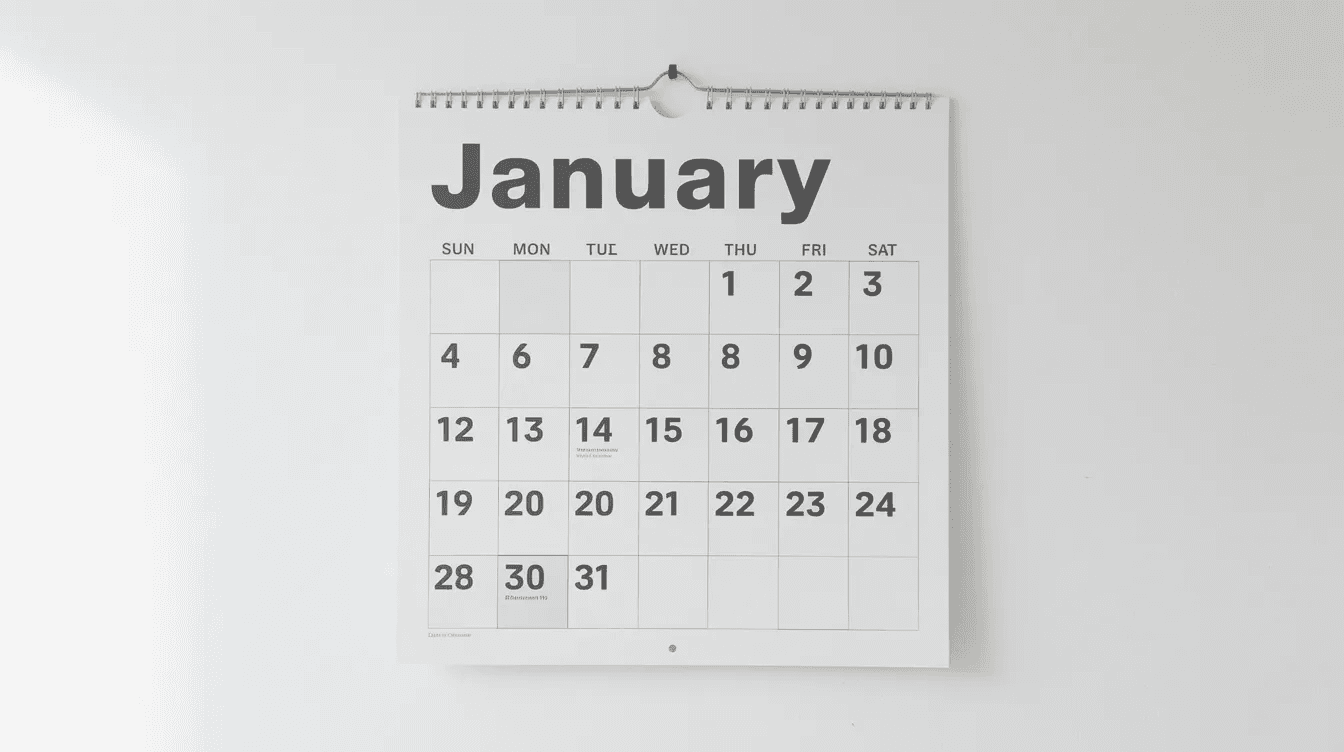
The calendar plugin adds a visual calendar view where clicking any date opens or creates that day’s daily note. This makes navigation across months intuitive—no more searching for 2025-11-06 when you need to reference a conversation from months ago.
With the Periodic Notes plugin, you can extend the same date-based pattern to weekly, monthly, and yearly notes. Configure each period explicitly; do not assume the plugin will infer links or folders from your Daily notes settings.
For a ready-made review loop around those time horizons, see Obsibrain’s periodic reviews documentation.
A concrete example: a weekly note titled 2026-W10 lists links to each daily note from Monday through Sunday:
## This Week
- [[2026-03-02]] Monday
- [[2026-03-03]] Tuesday
- [[2026-03-04]] Wednesday
- [[2026-03-05]] Thursday
- [[2026-03-06]] Friday
- [[2026-03-07]] Saturday
- [[2026-03-08]] Sunday
This creates a natural hierarchy for planning and review, similar to how Roam Research popularized daily and weekly notes as interconnected reference points.
Folder Structure and Naming Conventions
How you organize daily notes affects both day-to-day usability and long-term maintenance. Two common patterns exist:
Flat structure:
/Daily/2026-03-06.md
/Daily/2026-03-07.md
/Daily/2026-03-08.md
Nested structure:
/Timestamps/2026/03-March/2026-03-06.md
/Timestamps/2026/03-March/2026-03-07.md
/Timestamps/2026/03-March/2026-03-08.md
| Structure | Pros | Cons |
|---|---|---|
| Flat | Simplifies global search, easy setup | Sidebar clutter after 365+ files |
| Nested | Tidy sidebar, easy year-by-year archiving | Requires path adjustments in queries |
| Consistent naming with ISO-style dates (yyyy mm dd) ensures notes sort correctly in file explorers and can be referenced reliably from queries and scripts. The new file location you choose should accommodate years of notes. |
Make changes to naming or file location carefully. Existing links, queries, and scripts may need cleanup after a format change; test a small copy of the vault first if you already have months of daily notes.
Storing and Accessing Old Daily Notes
Jump to past daily notes using several methods:
-
Search: Type the date directly, e.g., 2025-11-06
-
Calendar plugin: Click any date in the calendar widget
-
Backlinks: Navigate from weekly or monthly notes that link to daily notes
For archiving older years, move all 2023-*.md files into an /Archive/2023 folder once the year is complete. This keeps your active folders clean while preserving history.
Dataview and Tasks queries can still read from archived folders as long as those folders remain inside the vault. Include the archive path in query scopes if you need historical data.
Think of daily notes as a chronological log that should remain easy to browse even after several years of use. The system you build today will contain many things you’ll want to reference in the future.
Daily Notes as a Task and Knowledge Hub
Daily notes work best as an entry point for all tasks and ideas. Capture everything first in today’s note, then refactor into dedicated project or topic notes when needed.
A concrete workflow for this approach:
-
During the day: Jot tasks, meeting notes, and ideas under your Log section as they occur
-
Evening review: Convert important bullets into separate notes using plugins like Note Refactor
-
Link back: Add a reference link in the new note pointing to the daily note where the idea originated
-
Tag consistently: Use tags like #work/client-a or #personal/health to create searchable timelines
Some users prefer keeping long-term tasks in separate project notes or “Someday/Maybe” lists while using daily notes only for what is active today. Others use daily notes as their primary task management point for everything. Both approaches work—choose based on whether you prefer centralization or distribution.
The key benefit: you always know where to write first. Today’s note becomes your inbox, and processing happens during review time rather than during capture.
If you want the processing step ready-made, Obsibrain’s daily planning view gathers overdue, due-today, and ongoing tasks from across your vault, while smart projects keep project context connected to those actions. That is the useful next step when a daily note is no longer the bottleneck—finding what deserves attention is.
Structuring Tasks Across Today, Soon, and Later
Split tasks into time horizons to prevent overwhelm:
| Horizon | Location | Review Frequency |
|---|---|---|
| Today | Daily note | Daily |
| Soon | Near-future list note | Weekly |
| Eventually | Someday/Maybe note | Monthly |
| Daily notes hold only tasks that need attention today or were captured today. “Soon” and “Eventually” live in separate notes that you review on a set schedule during your week. |
A concrete example for a given day: your daily note for 2026-03-08 contains 4-6 actionable items you plan to accomplish, while a separate Projects – 2026 Vacation.md note holds all the planning details you don’t need to see until your weekly review.
This keeps the daily note focused. You won’t scroll past dozens of incomplete tasks unrelated to today’s work.
Journaling, Reflection, and Mindfulness
Daily notes naturally support reflection when you include simple prompts in your template:
-
“What would make today great?”
-
“What did I learn today?”
-
“What should I improve tomorrow?”
-
“What am I grateful for?”
Include 2-4 prompts rather than a long questionnaire. Reflection stays sustainable over months and years only when it feels quick to complete.
Some users track subjective metrics in frontmatter or a small “Daily Check-in” section:
## Check-in
- Mood: 7/10
- Energy: 6/10
- Sleep: 7 hours
Over time, Dataview can aggregate this data into tables or the Charts plugin can visualize trends. Patterns emerge that would otherwise remain invisible—correlations between sleep and productivity, or how your mood shifts across the week.
Example Workflows and Best Practices
A complete “start to finish” day using daily notes follows this pattern:
-
Morning: Open today’s daily note, review yesterday’s incomplete tasks, set your top 3 priorities in Today’s Focus
-
Daytime: Log calls, meetings, and ad-hoc tasks as they happen using timestamped bullets
-
Evening: Close loops by marking completed tasks, migrate anything unfinished to tomorrow’s note or a project file
Handle incomplete tasks at day’s end by either moving them forward with new due dates or acknowledging they weren’t priorities. The Tasks plugin can automatically roll over items using recurrence syntax.
Best practices for sustainable daily notes:
-
Keep the same headings every day for consistency
-
Review yesterday’s note before starting today’s work
-
Avoid heavy images or complex queries that slow mobile load times
-
Periodically refine your template rather than redesigning from scratch
-
Write your evening review before closing Obsidian for the day

Common Pitfalls and How to Avoid Them
Frequent problems and their fixes:
-
Overcomplicated templates: If you skip a section for 7 consecutive days, remove it from your template
-
Too many mandatory fields: Start with 3-4 sections maximum; add complexity only when you have a clear use case
-
Inconsistent naming: Pick one format like YYYY-MM-DD and apply it to all notes going forward
-
Neglecting reviews: Schedule a weekly 15-minute session to process daily notes into permanent notes
-
Template churn: Resist the urge to redesign your template every week; give changes at least 2-3 weeks before evaluating
It’s normal for a daily note system to evolve over the first 2-3 months. Make small adjustments rather than constant overhauls. Your system matures through use, not through endless configuration.
Daily notes troubleshooting checklist
Use this order when setup behaves differently from what you expected:
| Symptom | Check first | Fix |
|---|---|---|
| Notes appear in the vault root | New file location | Select an existing destination folder; put any year/month nesting in Date format |
| The template is not applied | Template file location | Select the Markdown template note itself, then create a new daily note to test it |
{{date}} stays visible as text | Which template engine produced the syntax | Core Templates handles {{date:...}}; Templater expressions such as <% tp.date.now(...) %> require the Templater plugin and its trigger setting |
| A link works in Obsidian but not elsewhere | Use [[Wikilinks]] and New link format | Use standard Markdown links when portability matters; URL-encode spaces and test a moved copy before reorganizing a large vault |
| You expect two daily files for one date | Core Daily notes behavior | Keep multiple entries under headings, or create explicitly named variants such as 2026-03-08-evening.md |
The folder/template confusion is a recurring issue in Obsidian Forum troubleshooting. The official setting names above are the source of truth; community workflows are useful examples, not product guarantees.
Frequently Asked Questions About Obsidian Daily Notes
These FAQs address common configuration and workflow questions about creating notes and managing your daily notes system.
-
Can I change my daily note file name format later? Yes, but existing links and queries may break. Use find/replace or bulk rename plugins to update old files, and expect some cleanup work if you have hundreds of notes.
-
Do I need community plugins for daily notes? The core plugin is enough to start capturing daily notes immediately. Plugins like Templater and Dataview unlock more advanced workflows but aren’t required for basic use.
-
How do I handle days when I forget to create a daily note? Create a Markdown note with the missed date using the same naming pattern as the rest of your vault, then link it from your weekly review if needed. Check that the date is valid for the year and matches your configured folder pattern.
-
Can I use multiple daily-note-like files per day? Obsidian’s core Daily notes feature assumes one note per date. For morning/evening separation, create a separate post within the same note using headings, or manually create variant files like 2026-03-08-evening.md.
-
How do periodic notes relate to daily notes? The Periodic Notes plugin lets you create weekly, monthly, and yearly notes that complement your daily notes. These serve as rollup views where you can link to individual days and track longer-term progress.
Next Steps: Evolving Your Daily Notes System
Start with a minimal template: one heading for tasks, one for notes, one for review. Use this consistently for at least two weeks before making major changes. You’ll discover what works and what feels like friction through actual use.
Schedule a weekly 15-20 minute review to look back at daily notes, refine sections, and decide which queries or metadata fields are genuinely useful. This feedback loop keeps your system aligned with how you actually work rather than how you imagine you’ll work.
Once your core workflow is stable, experiment with advanced features like automatic habit tracking, charts visualizing your mood over time, or cross-linking daily notes to project dashboards. These additions become valuable only after the basics feel natural.
An effective daily note system becomes powerful over months of real use, not on day one of setup. Each day you write in your daily note, you’re building a searchable record of your life—decisions made, tasks accomplished, ideas captured. The compound value of consistent daily notes is difficult to appreciate until you search for something from six months ago and find it exactly where you expect.
Start today with a simple template. Iterate based on what you learn. Your future self will thank you for the documentation you’re building.
Obsibrain
Get the complete Obsidian second-brain system
Skip the 20-hour setup spiral. Templates, dashboards, and workflows ready in about 30 minutes — no coding required.
$49 one-time payment. Backed by our 30-day guarantee.